昔々
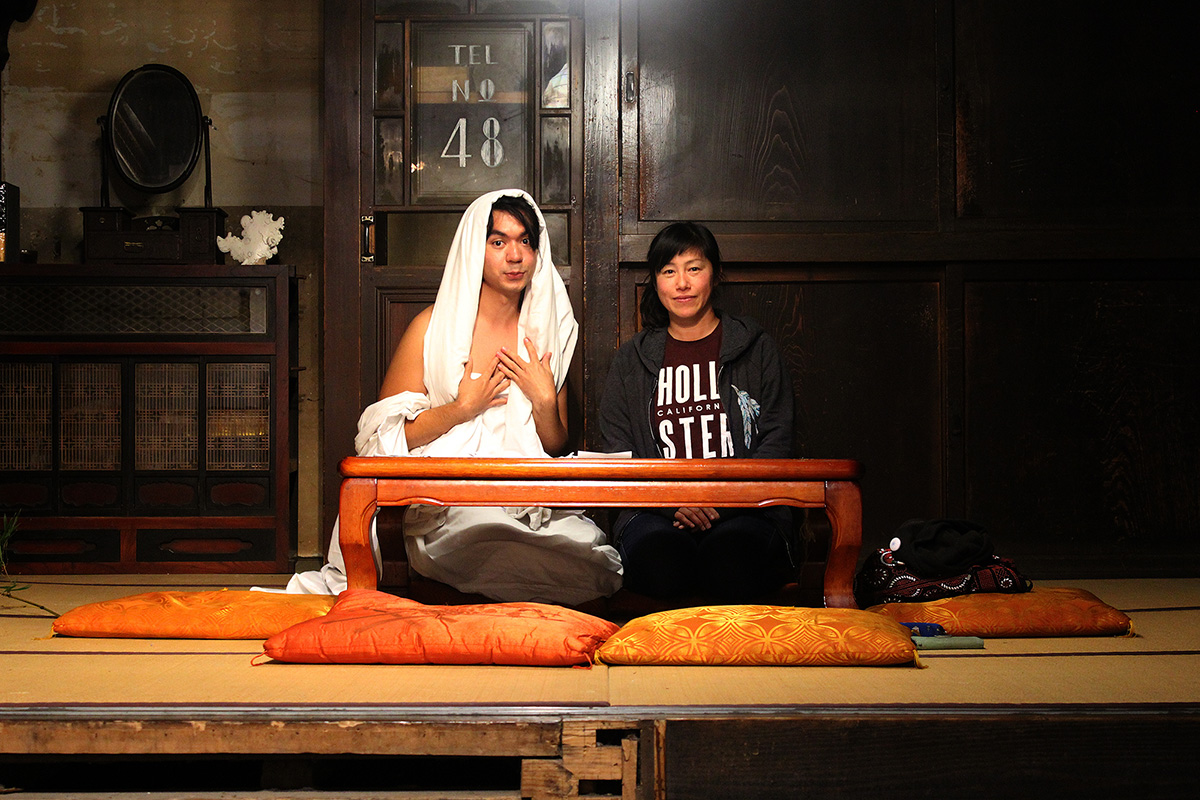
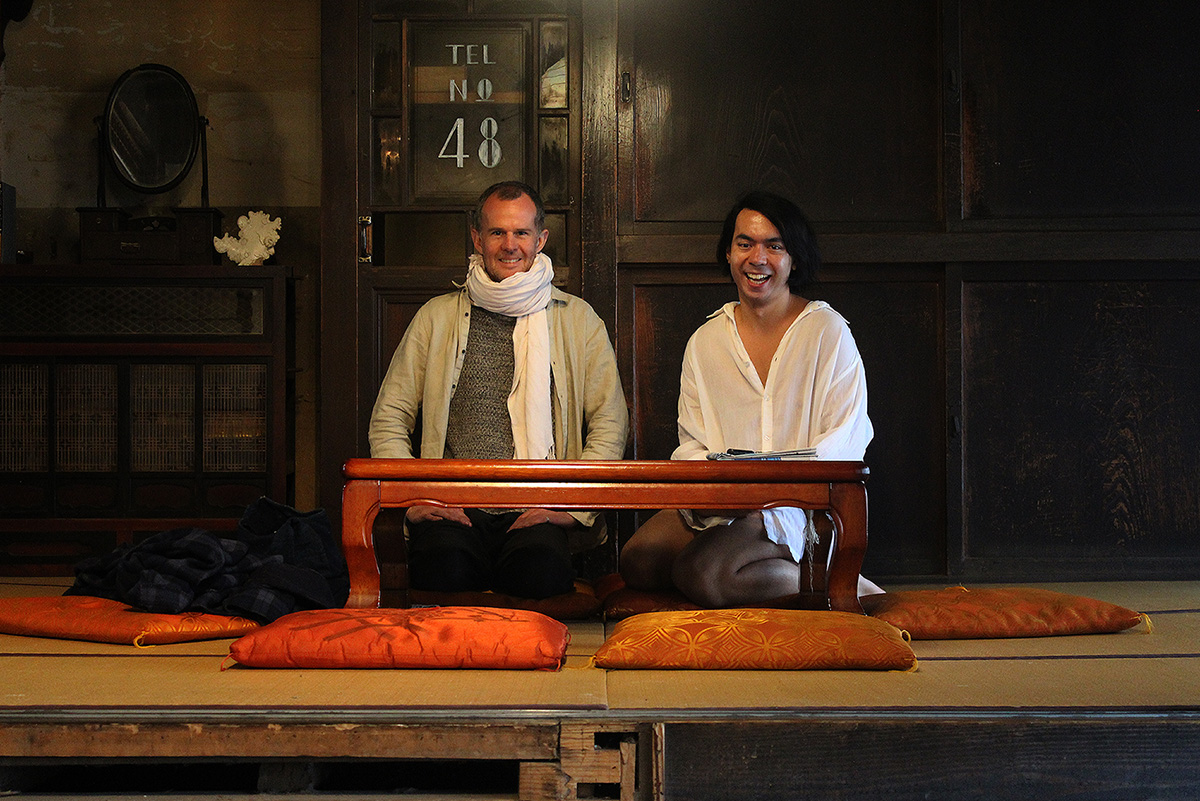
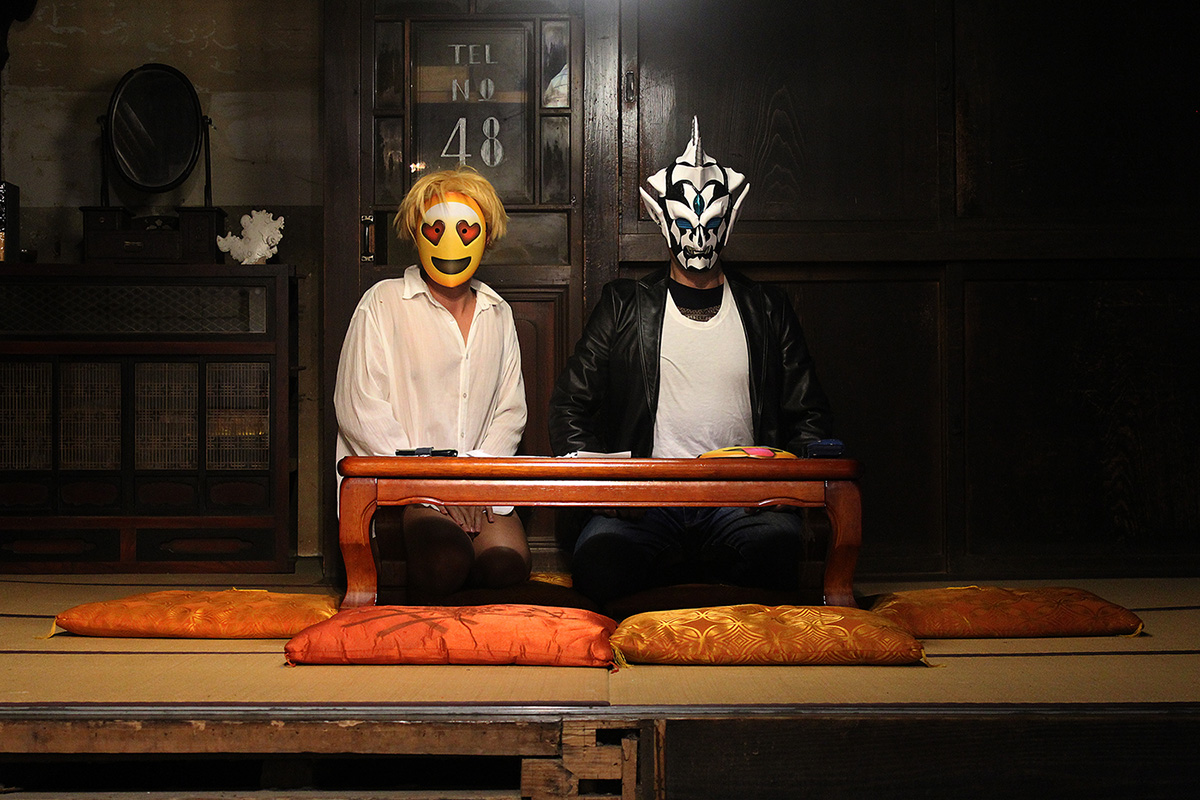
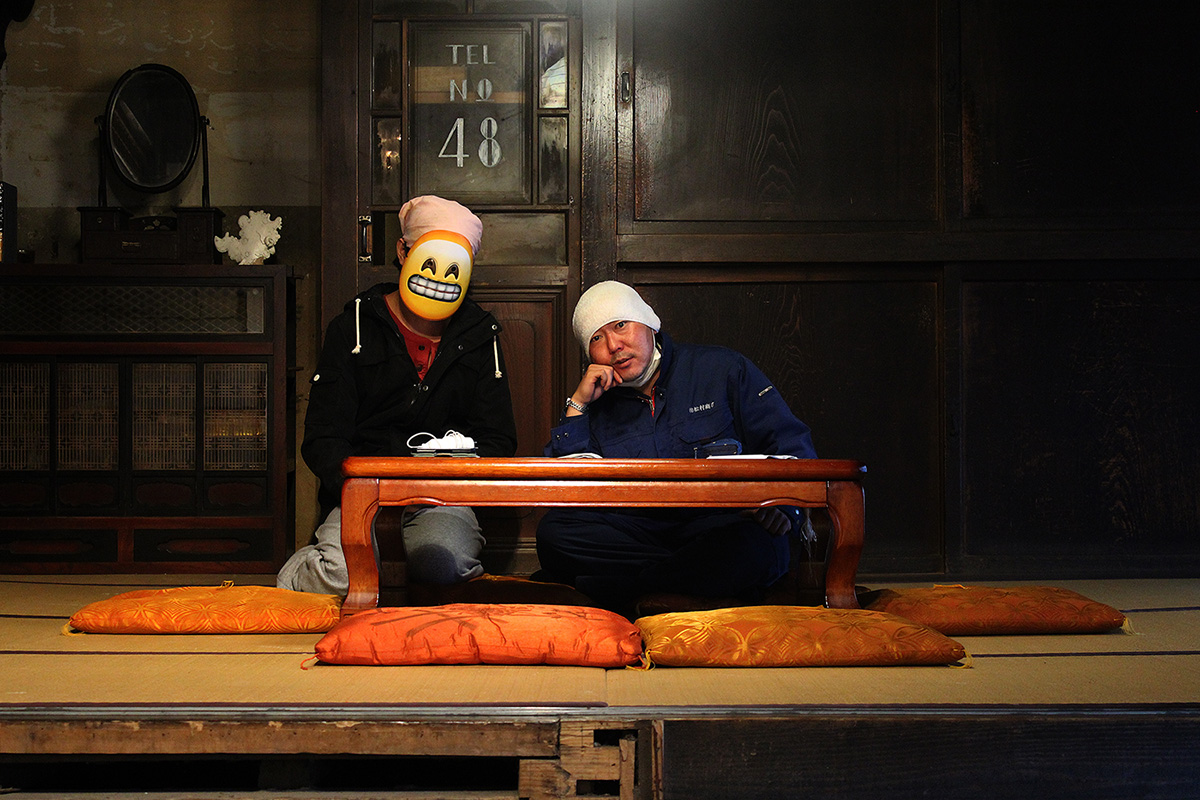
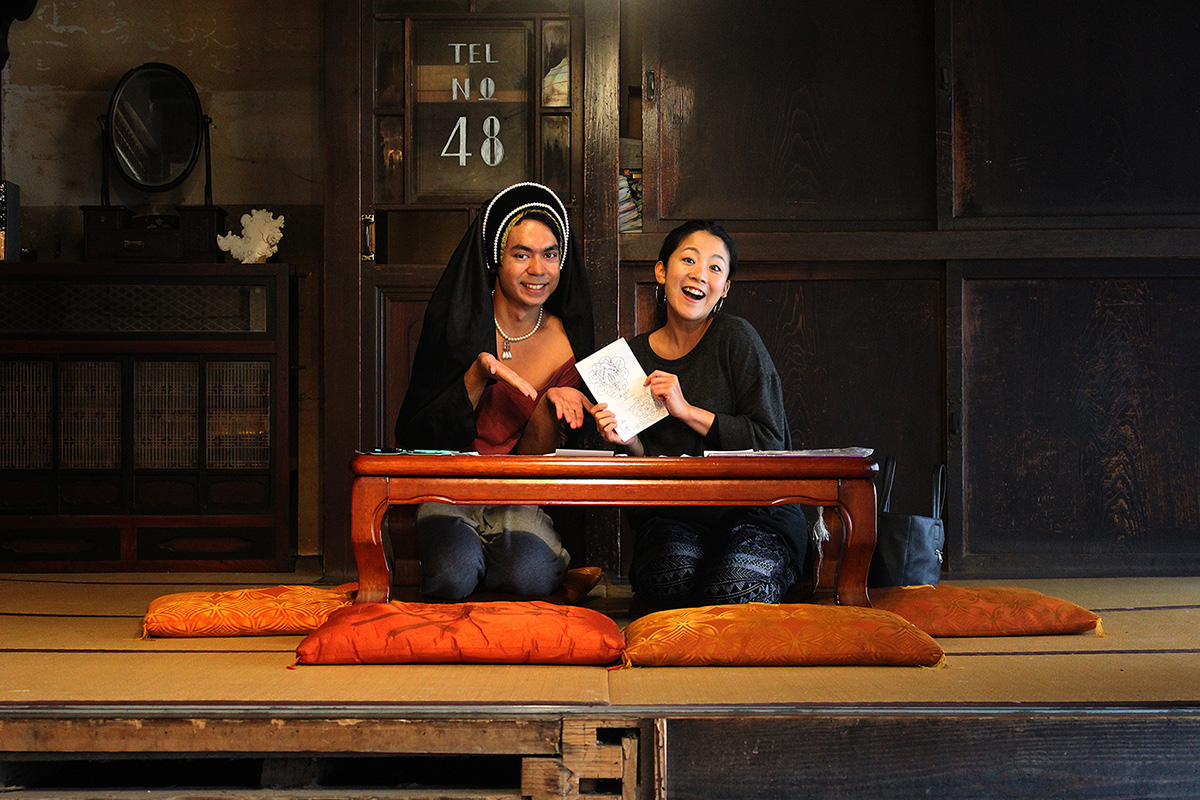
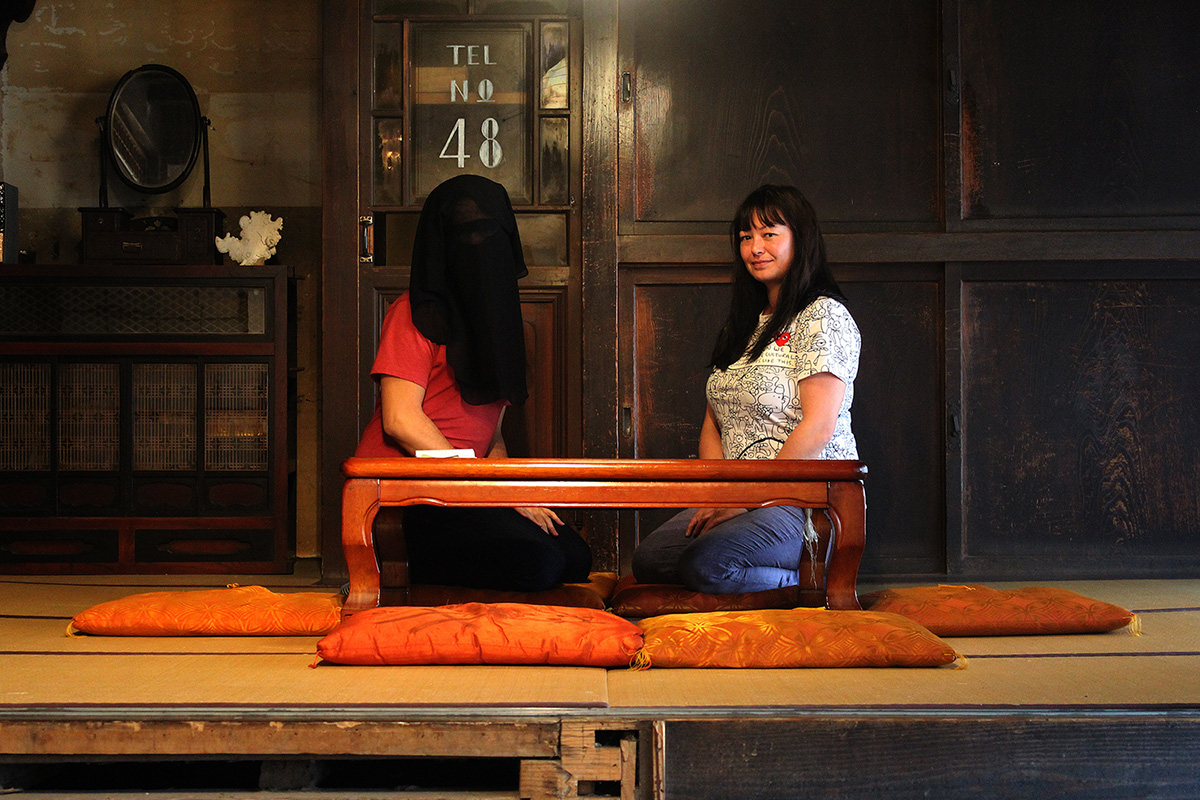
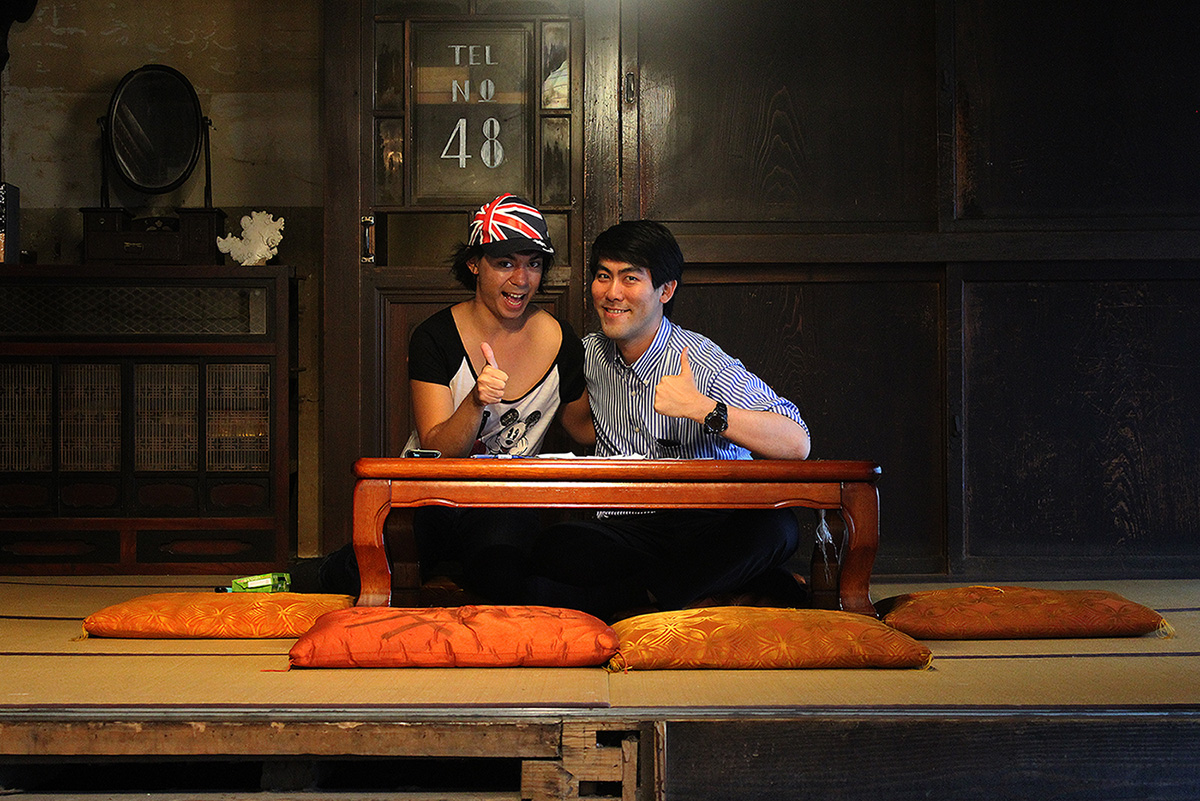
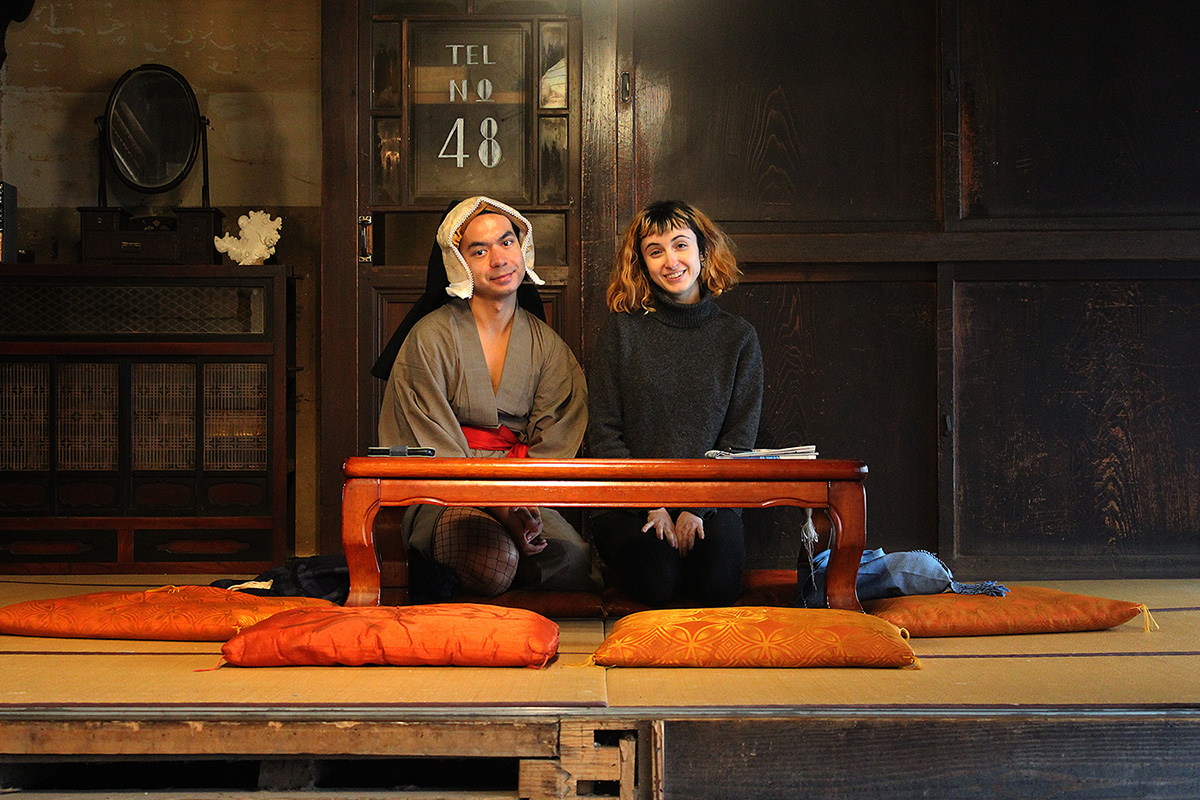
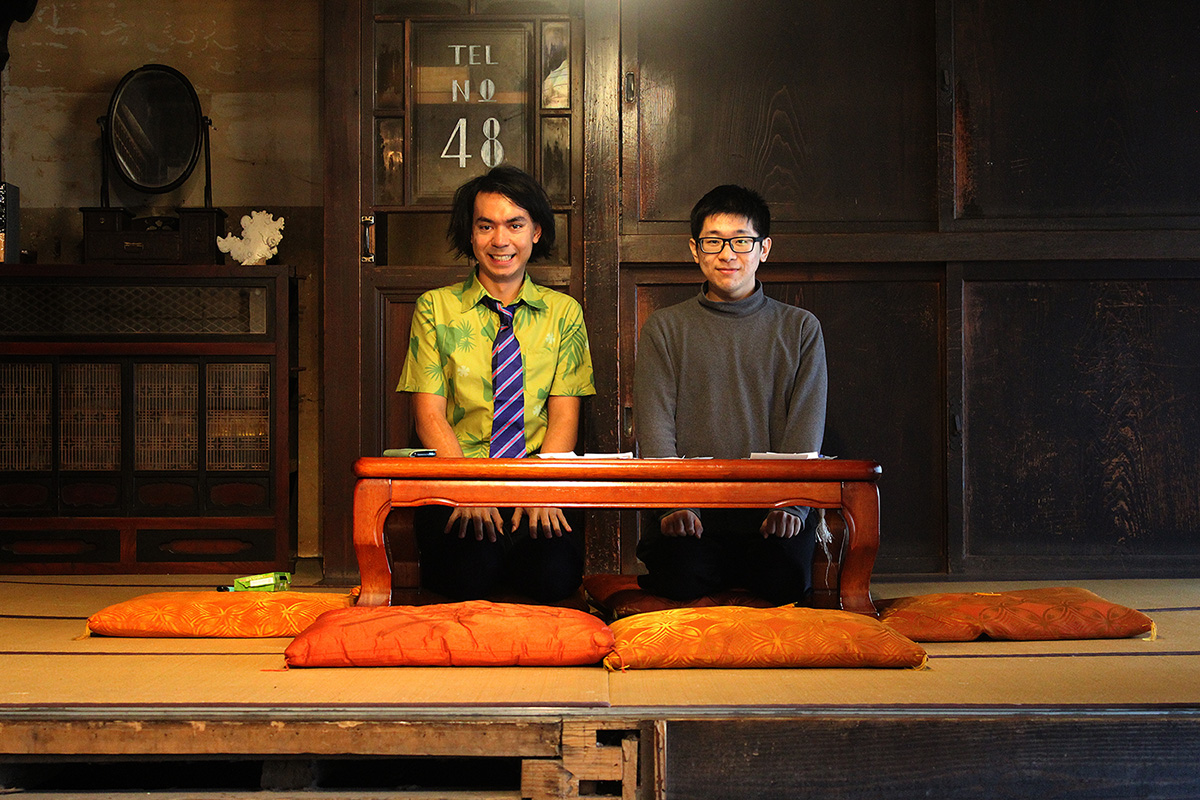
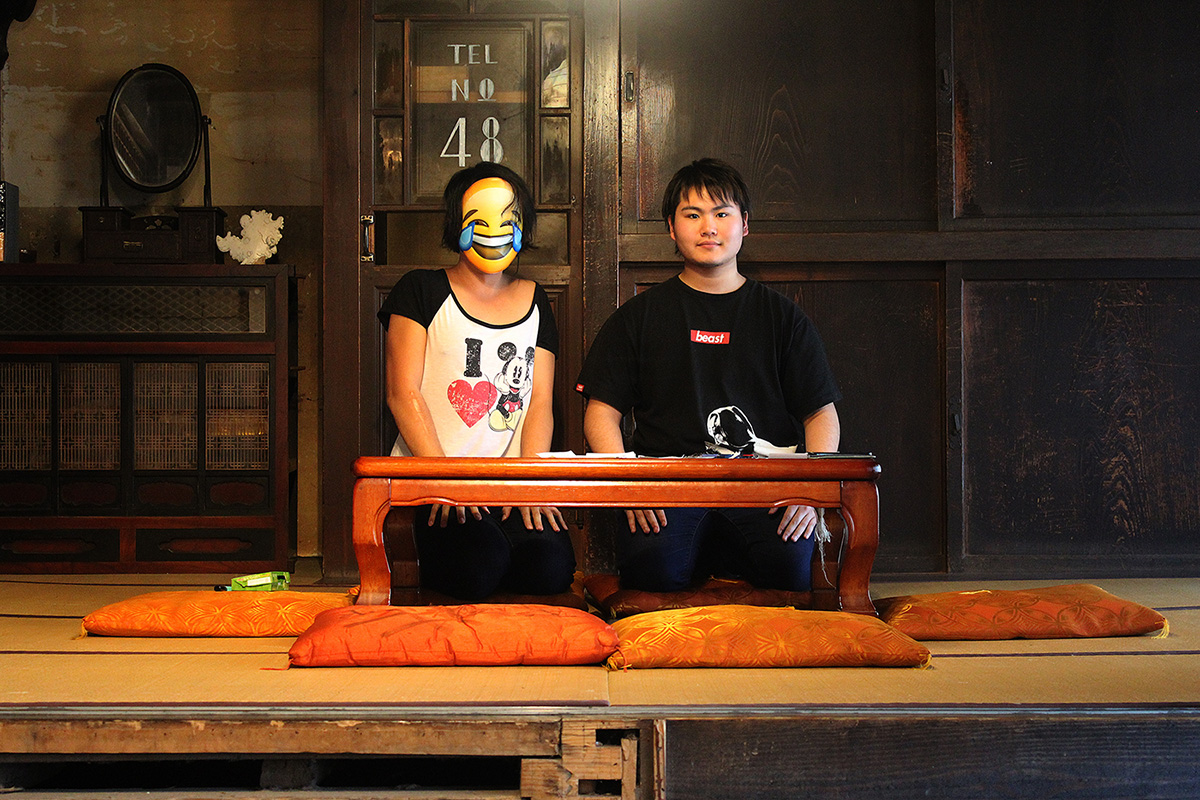
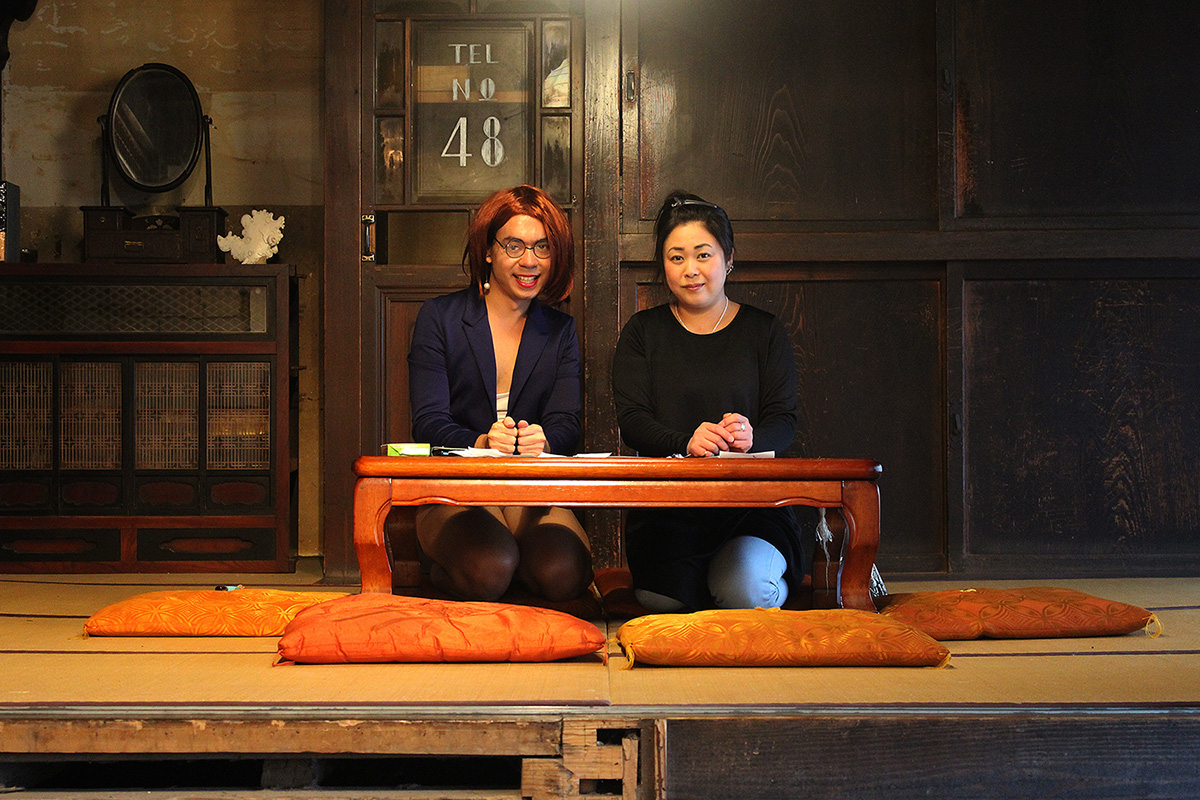
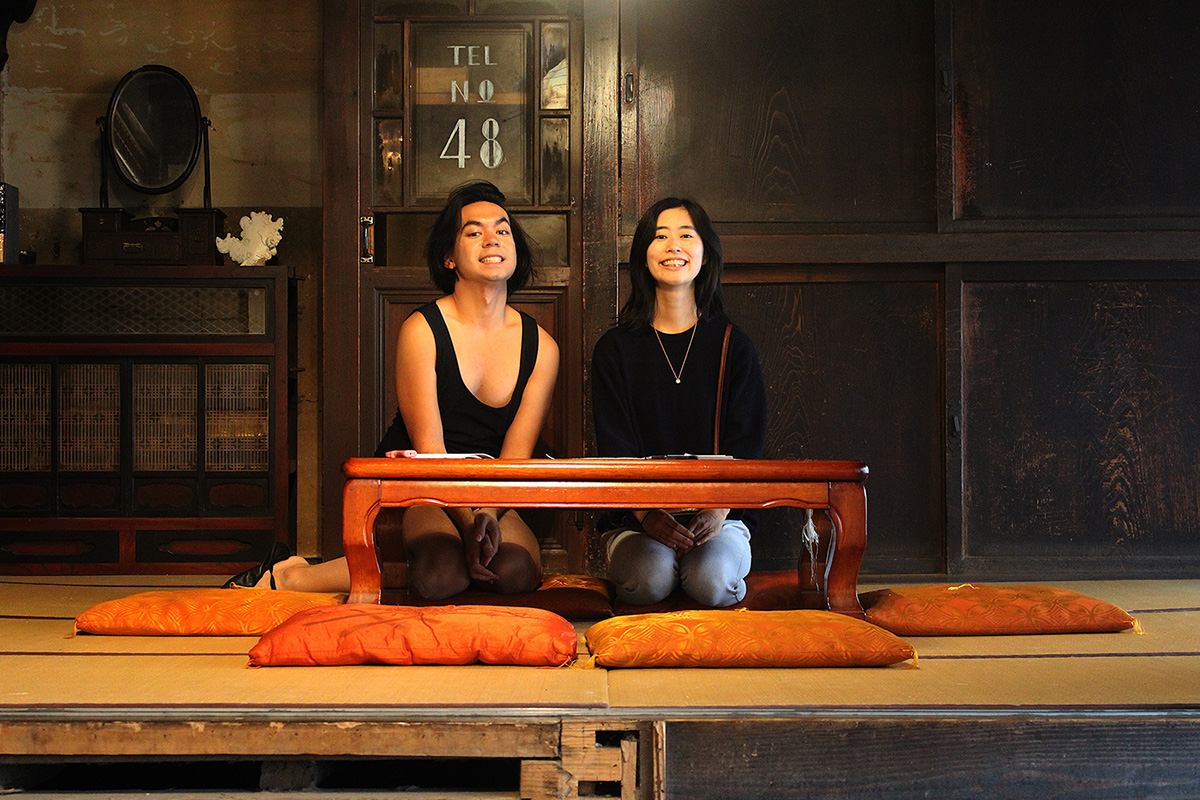
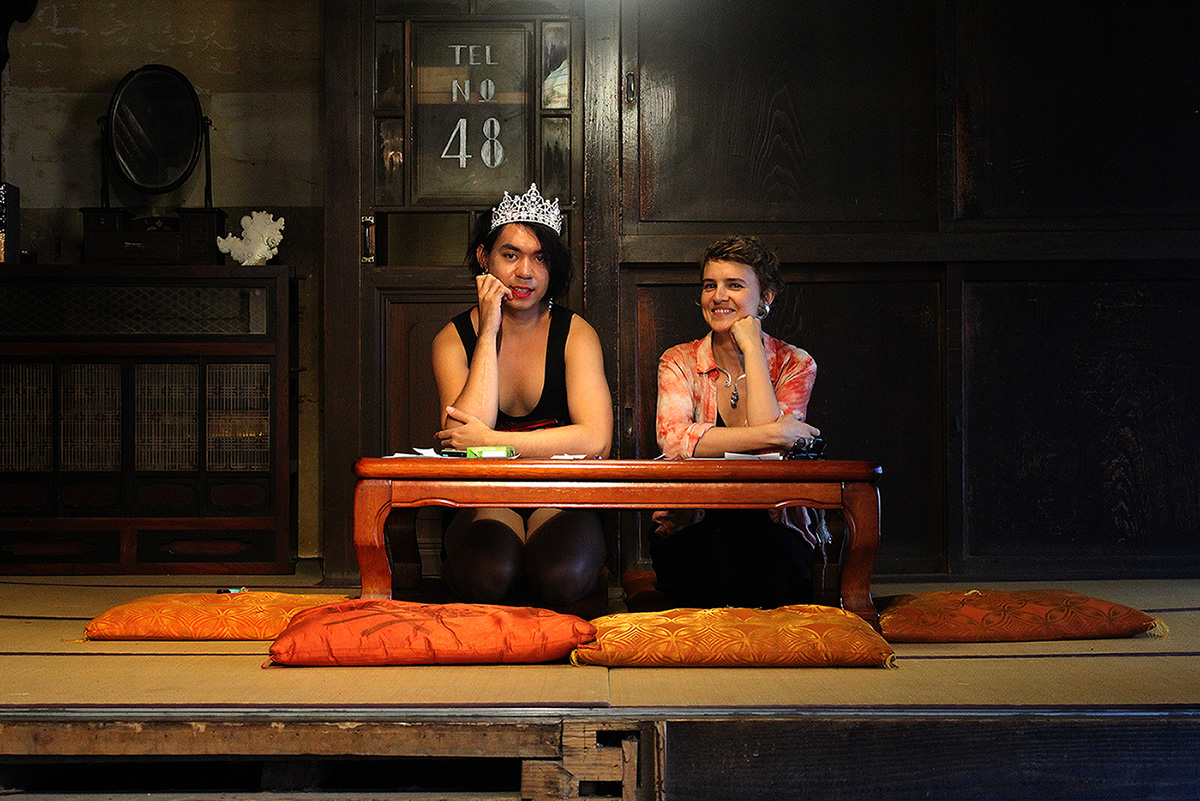
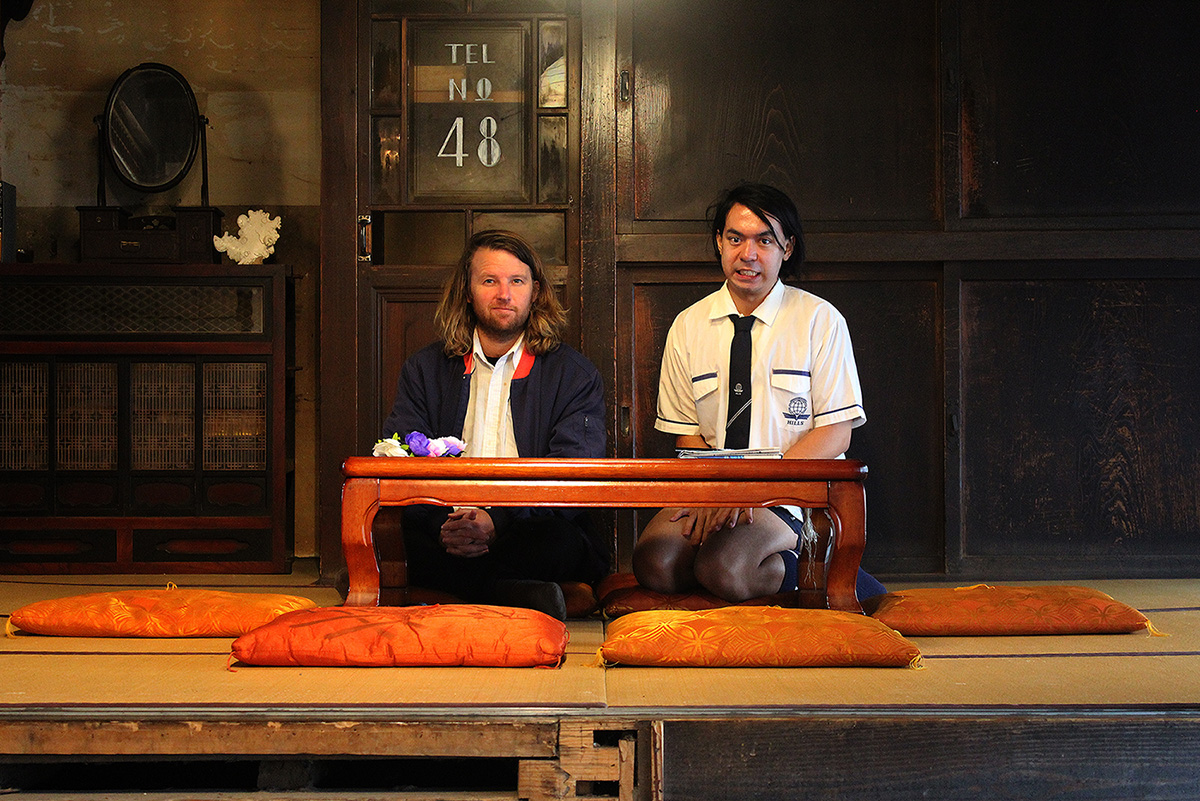
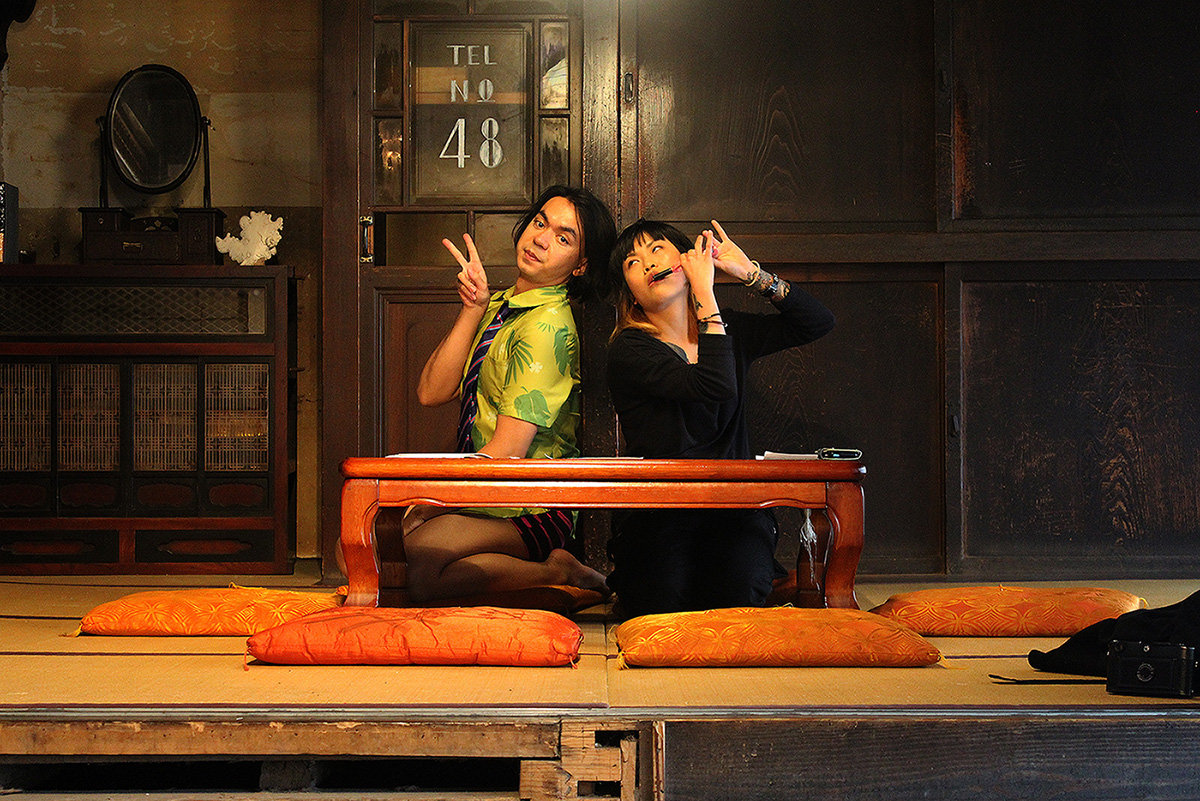
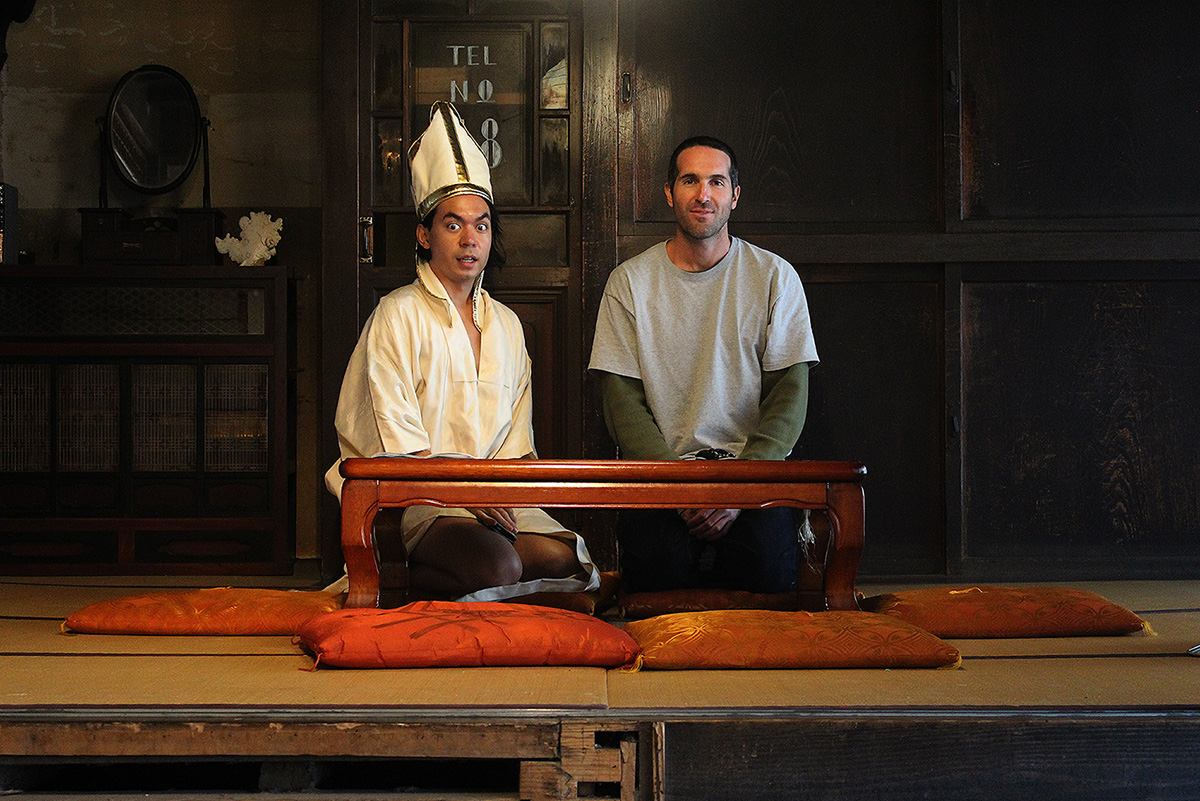
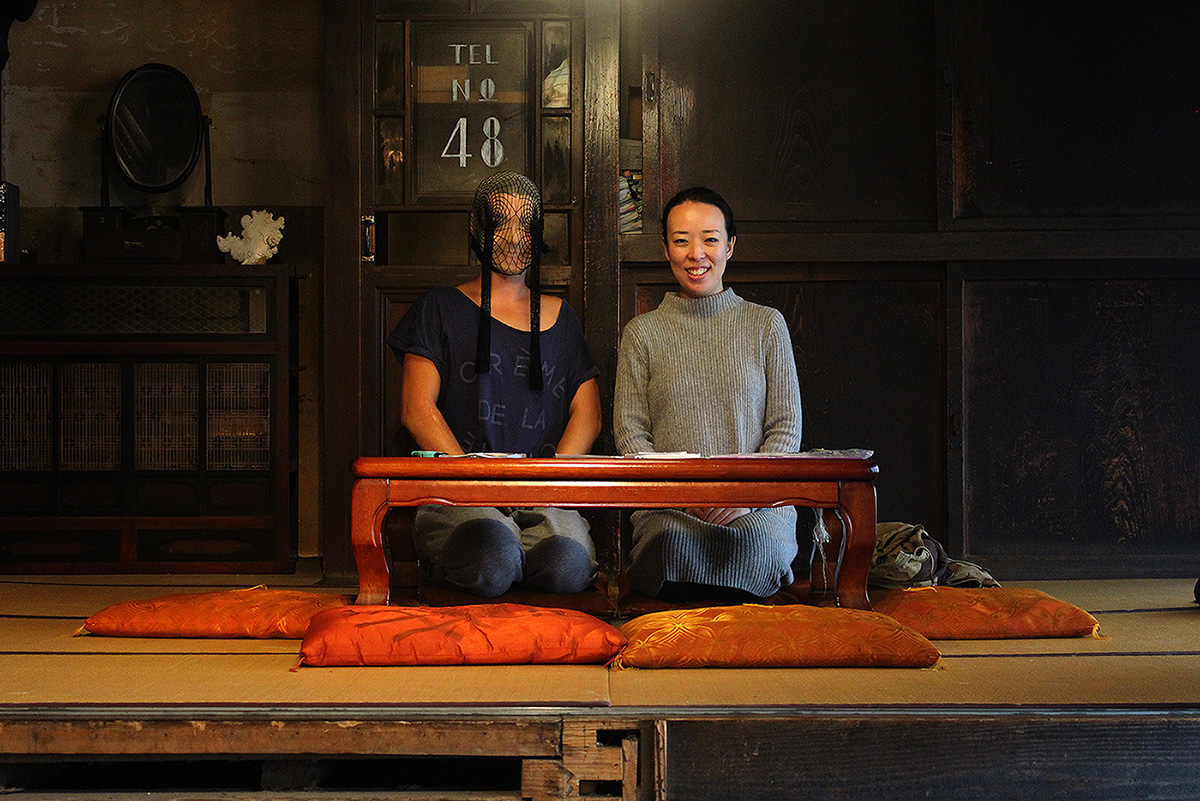
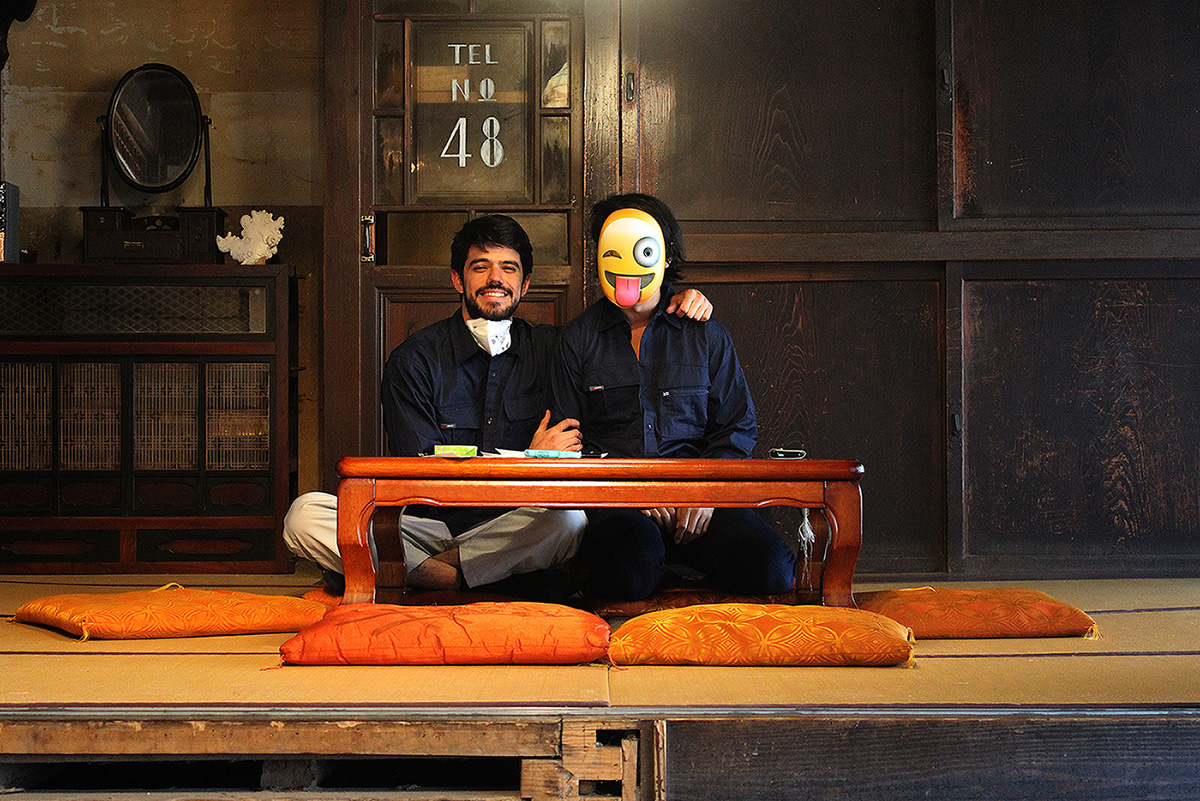
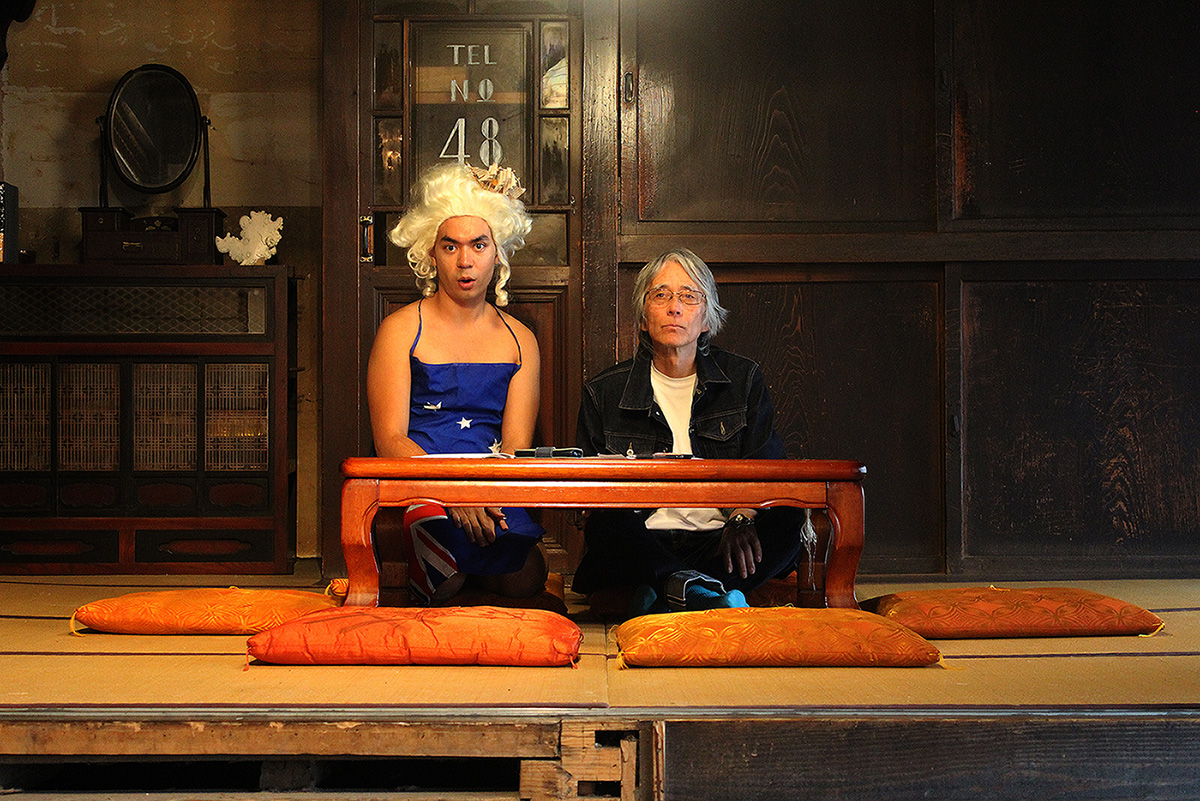
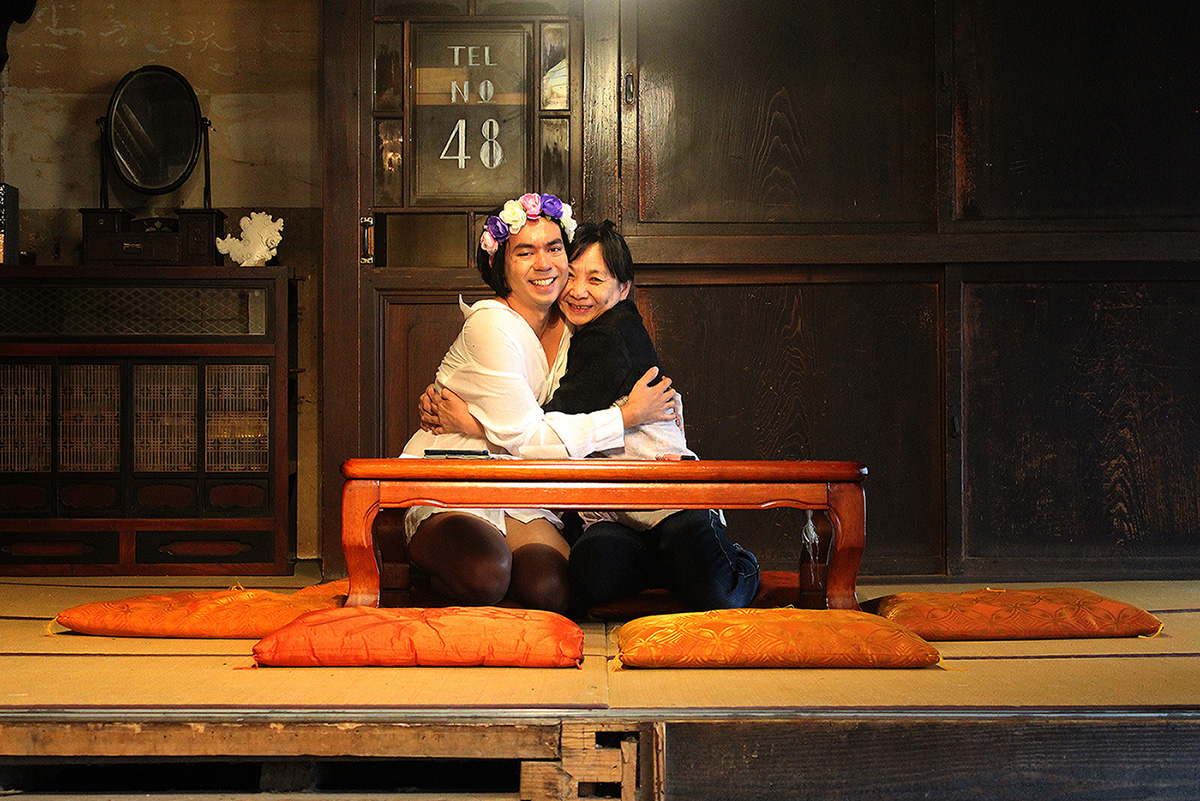
During my six weeks at Shiro Oni Studio in 2017, I conducted timed one-on-one interviews with people in town. For each session, I changed the costume I was wearing to present different characters as stimuli for the interviews. At the end of each session, a timed photograph was taken of myself and the participant on location. Information about this project was distributed to people in the vicinity by flyers, online or word of mouth, and those interested either booked in advance or came by to participate on the spot.
昔々 (lit. “mukashi mukashi”, roughly translated as “once upon a time”) was planned as a performed exploration of the ways we form identities based on time constraints. As each person entered a session, the identities that existed in their perception would develop according to the time allotted. In this sense, the process of the work demonstrated the way identities are constructed by time. The cultural diversity of the residency and my living in a remote community made this demonstration even more apparent as such identities were more readily divided according to “cultural differences”. This made their development in the project more acutely felt. Likewise, connections in the identities affected were also made more palpable.
As anticipated, several more situations came into focus that add to the project’s premise. For example, it was fascinating to create an intimate space that conditioned a diversity of situations to arise. As cultural divides were typically anticipated, a conditioned challenge to connection pervaded these interactions and was made all the more profound when it was felt to occur. Furthermore, the largely unplanned dialogue of the sessions also seemed to emphasise transience and the significance our choices have in a finite reality. This aspect can be considered an essential trait of identity and can emphasise its constantly evolving – and thus uncertain – state.
Moreover, the growth of identity based on time constraints can be intimated in the photographs taken after each session. For example, the subjects assume a pose for the camera after a period of time was shared alone together, masking – while also intimating – the experience behind static pictures. These pictures can be considered representations of each experience, subjecting them to the interpretation and thus development of those who consider them. In this sense, the photographs can remind us that identities, such as the costumes and characters performed in the sessions, are memories that encapsulate – and thus come to represent – the time we choose to experience them. These memories, in turn, become the material we use to perceive the identities we come across thereafter.